別只會下指令!AI 時代生存指南:5 個讓你脫穎而出的關鍵思維 Don’t just give commands! A survival guide for the AI era: 5 key mindsets to help you stand out
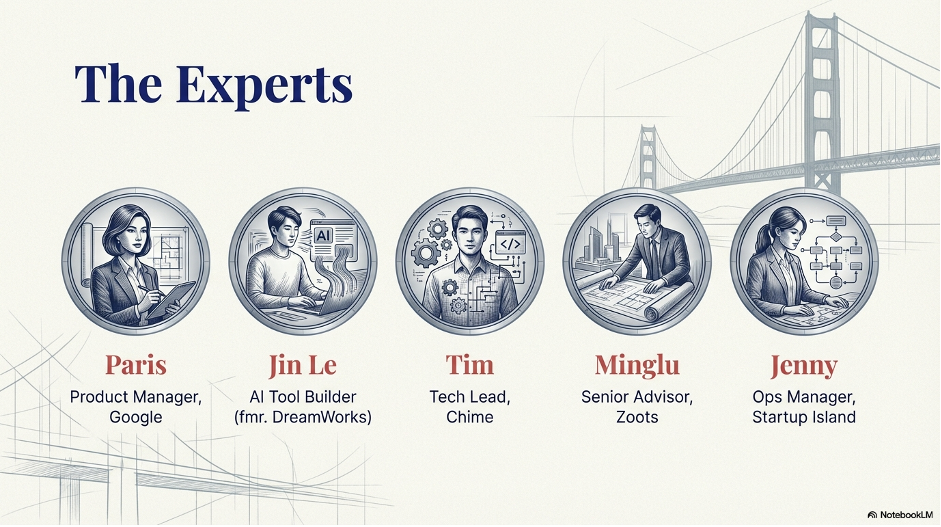
「Taiwan Next」活動匯集了來自不同領域的專業人士,共同探討科技、文化與職涯發展的交會點。從 Google 的產品經理到動畫產業的資深從業者,這些講者分享了在 AI 時代中保持競爭力所需的核心思維,以及他們用來持續領先的具體資源。每位面試官都各自提出了一套獨特的思維框架,用以應對現今瞬息萬變的就業市場。
The Taiwan Next event brought together a diverse group of professionals to discuss the intersection of technology, culture, and career development. From Google product managers to animation veterans, these speakers shared the core mindsets required to thrive in the age of AI and the specific resources they use to stay ahead. Each interviewer highlighted a distinct mental framework for navigating today’s rapidly evolving job market:
適應力與軟實力
Minglu 強調,硬技能可能在短短六個月內就會過時。因此,具備適應能力以及勇於嘗試新技術變得至關重要。他提倡採用「軟體產品思維」,從一次性專案的開發,轉向打造具備敏捷性與可擴展性的產品。
Adaptability and Soft Skills
Minglu emphasizes that hard skills can become obsolete within as little as six months. As a result, adaptability and a willingness to experiment with new technologies are critical. He advocates adopting a “software product mindset,” shifting from building one-off projects to developing agile, scalable products.

全端型專業人才
Tim 提出「全端思維」,鼓勵工程師不僅專注於寫程式,還應拓展至產品管理與銷售等領域。他認為,專業人士應理解完整的使用者旅程,而非侷限於單一技術領域。
The Full-Stack Professional
Tim promotes a “full-stack mindset,” encouraging engineers to go beyond coding and develop expertise in areas like product management and sales. He believes professionals should understand the entire user journey, rather than remaining confined to a narrow technical role.

AI 作為輔助工具
Jen 擁有在 DreamWorks 20 年的經驗,她認為 AI 並非取代人類,而是賦能工具。她的重點在於運用 AI 改造工作流程,打造讓藝術家在不需深厚技術背景的情況下,也能完成複雜任務的工具。
AI as a Supportive Tool
Jen, drawing on 20 years of experience at DreamWorks, views AI as an enabler rather than a replacement for human talent. Her focus is on leveraging AI to transform workflows, building tools that allow artists to perform complex tasks without requiring deep technical expertise.
人脈與個人連結
Jenny 指出,對來自台灣的專業人士而言,人脈與推薦往往比當地學歷更為重要。她重視透過真誠互動建立關係,例如打匹克球或與新創創辦人共進餐點,以深入了解他們的挑戰。
Networking and Personal Connection
Jenny points out that for professionals from Taiwan, referrals and personal connections often matter more than local education. She prioritizes building relationships through genuine engagement—such as playing pickleball or sharing meals with startup founders—to better understand their challenges.

文化認同作為領導力
Minglu 也強調維持自身文化與語言的重要性。他認為這不僅是個人價值,更是一種領導資產,有助於建立信任並強化跨國團隊之間的連結。
Cultural Identity as Leadership
Minglu also highlights the importance of maintaining cultural identity and language. He sees this not just as a personal value, but as a leadership asset that fosters trust and strengthens connections within international teams.